AI content and the EU: three regulatory frameworks
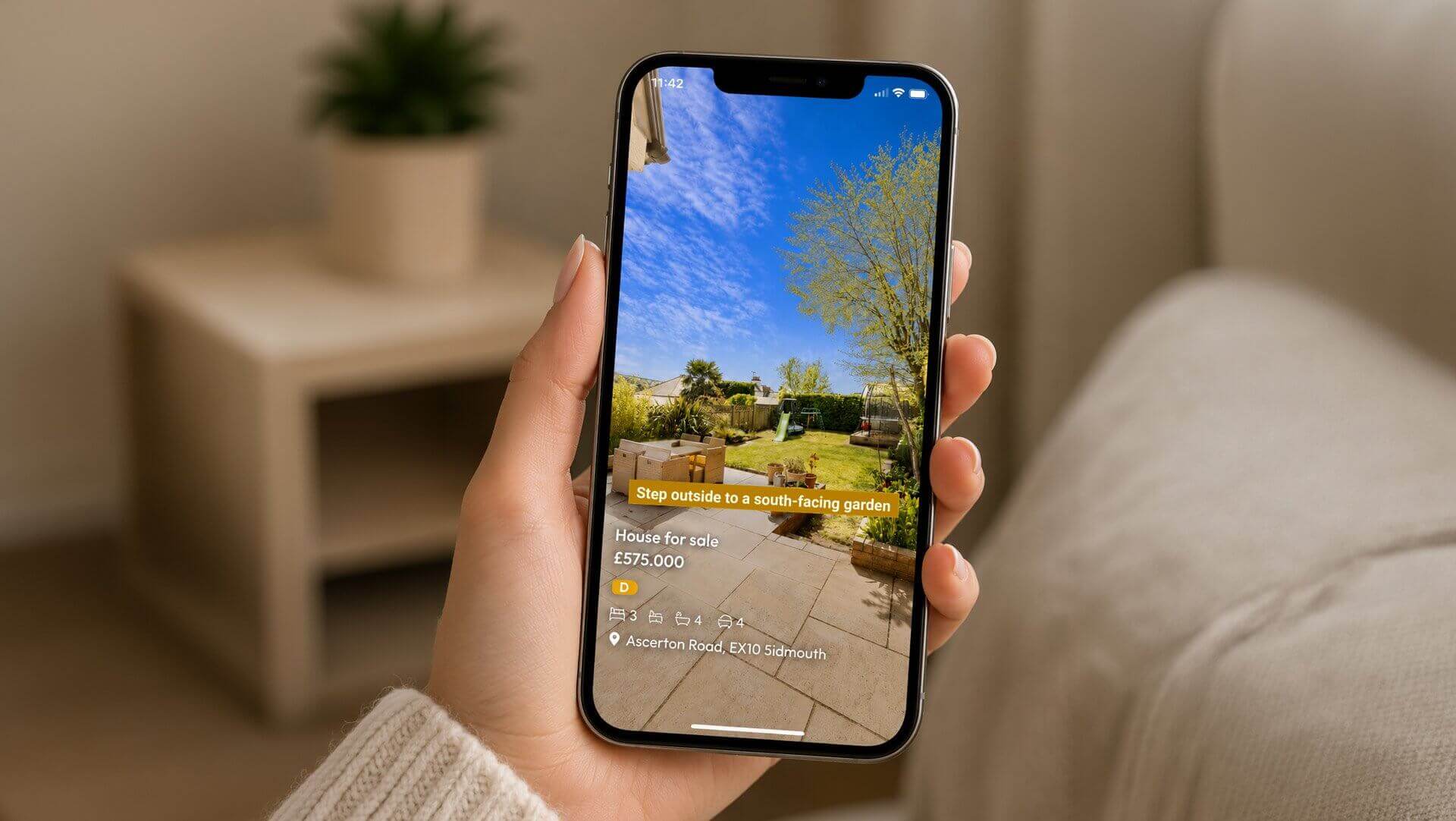
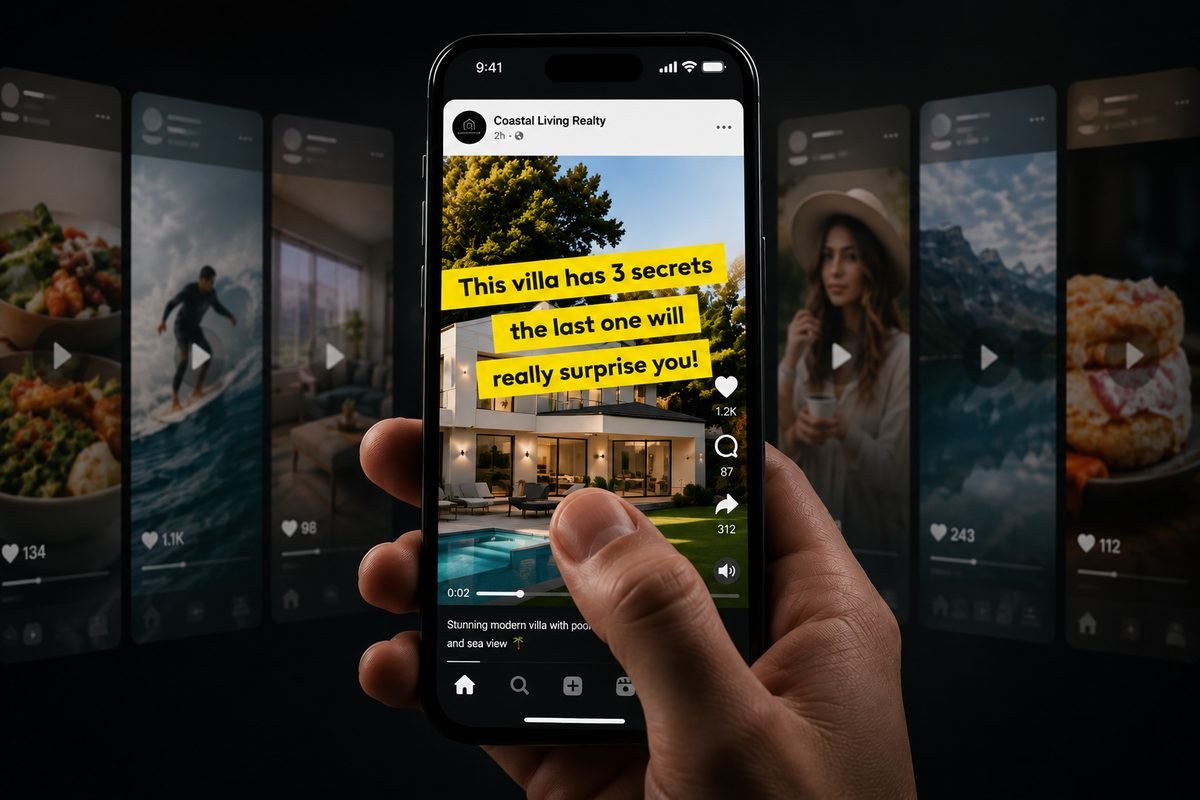
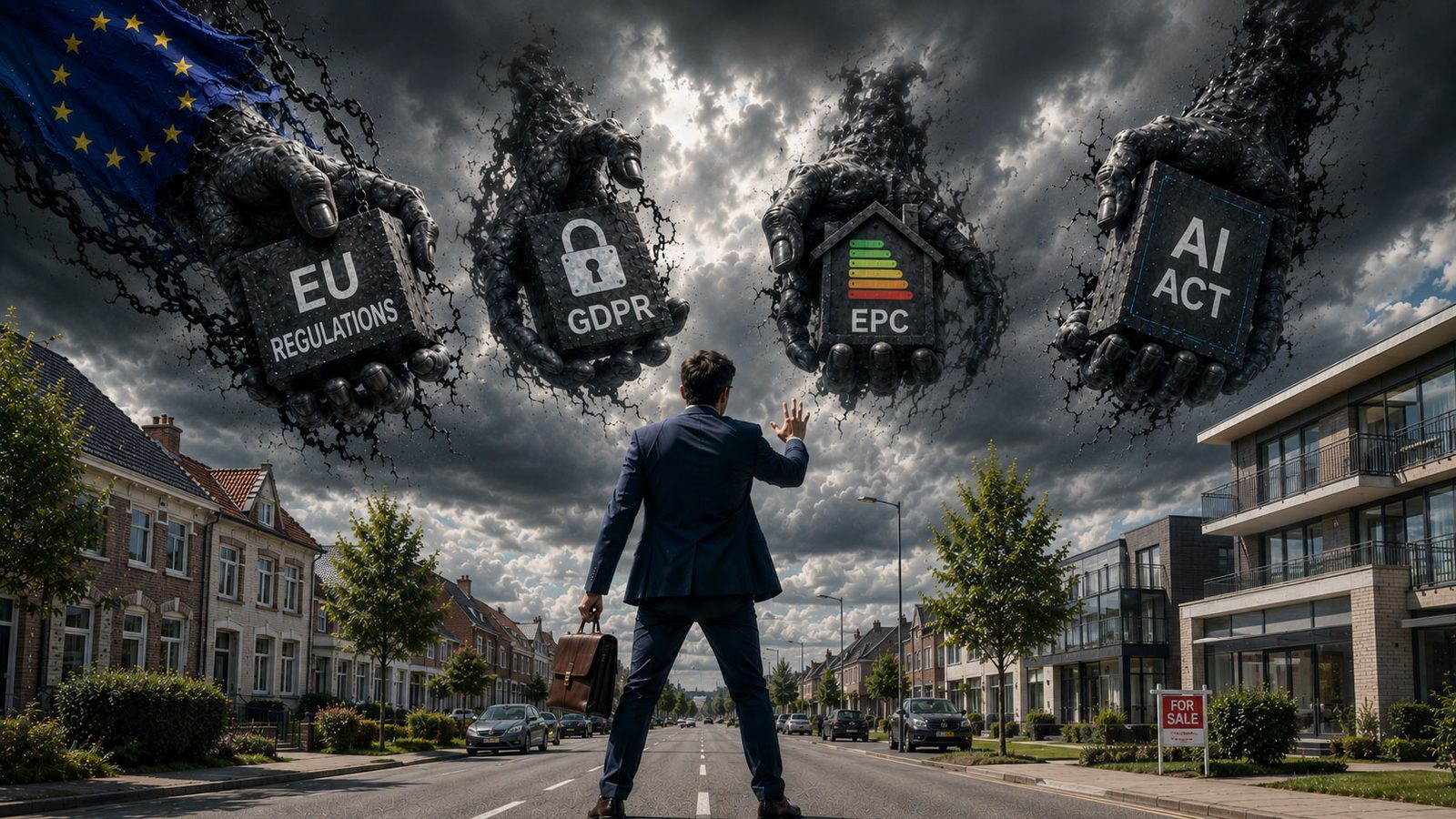
AI makes it easier than ever to quickly produce attractive listing content. The bar is high, for videos, but just as much for photo carousels and individual social posts: people are spoiled and no longer settle for mediocre communication. But that speed brings questions too: can you simply use images that feature people? How far can you go in "prettifying" a property? And do you have to state that something was made by AI? In the EU, those questions touch on three regulatory frameworks: GDPR, the rules on fair commercial practices, and, since 2026, the transparency obligation of the AI Act.
This article gives you a clear, practical overview. Where we write "video" for short, the same rules apply to your photo carousels and individual posts, in short, to all the content you create and publish with AI. Important: this is informative and not legal advice. The rules differ from country to country and are evolving quickly. When in doubt, always consult a lawyer or the competent supervisory authority.
GDPR and imagery: when is a video personal data?
GDPR (the General Data Protection Regulation) protects personal data. An image becomes personal data as soon as a person is identifiable in it, for example through their face, but also through indirect features.
According to FotoWare and GDPR Local, a photo or video counts as personal data as soon as someone is recognisable in it, not only through their face, but also through indirect factors such as recognisable clothing, tattoos or a recognisable background. When you use images for marketing, consent is often the appropriate lawful basis: explicit, specific to the purpose, and revocable.
For property, this is especially relevant. The GDPR Enforcement Tracker by CMS documents fines for the unauthorised publication of property photos that also showed people, without their consent, for marketing purposes. The maximum fines under GDPR can run up to EUR 20 million or 4% of worldwide annual turnover, whichever is higher.
In practice this means: make sure there are no recognisable residents, neighbours or passers-by in your listing video or photo carousel without a valid lawful basis. When in doubt: avoid or blur recognisable people.
If someone is recognisable in your video or photo carousel, that image is personal data and you need a lawful basis (usually consent). Keep residents and passers-by out of shot when in doubt.
Fair representation of a property
Alongside privacy, there is the question of how honestly you represent a property. In the EU, the misleading of consumers is regulated through the Unfair Commercial Practices Directive (2005/29/EC).
According to EUR-Lex, a commercial practice is misleading if it contains false information, or deceives or is likely to deceive the average consumer, even if the information is factually correct, about the main characteristics of the product, and thereby causes them to take a decision they would not otherwise have taken. The European Commission confirms that the directive covers commercial practices before, during and after a transaction.
For AI property video, this is a point of attention. An AI tool can flatter images with lighting, colour and music, which is normal in marketing. But as soon as you misrepresent the actual condition of a property (making rooms look larger, removing defects, showing features that do not exist), you risk straying into misleading-practice territory. Nanopixo does no virtual staging, renovation simulation or personalisation; it turns your existing photos and listing data into video. So keep your imagery true to reality.
Flattering is allowed, misleading is not. Do not misrepresent the actual condition of the property, or you may fall under the Unfair Commercial Practices Directive.
EPC and energy label disclosure (varies by country)
The EPC (energy performance certificate, also referred to as EPB or energy label) indicates a building's energy efficiency. Here an EU-wide rule applies, with national implementation.
The European Energy Performance of Buildings Directive (EPBD) requires all EU member states to demand that, as soon as a building or unit with an EPC is offered for sale or to let, the energy performance indicator and class of that EPC are stated in the advertisements, in online and offline commercial media, including property portals. The revised EPBD (Directive (EU) 2024/1275) entered into force on 28 May 2024 and had to be transposed into national law by 29 May 2026.
What varies by country is the implementation: the label scale, any thresholds, who is responsible and the penalties are determined in the national transposition. So always check the exact rule in the country where the property is located. Outside the EU, for example in the UK, there are separate, comparable regimes with their own EPC advertising requirement.
For your publications this means: a video, photo carousel or post is also an advertisement. If an EPC exists, the energy performance indicator/class should also be visible in or alongside that publication. See EPC in the glossary for the definition.
Across the EU, the EPBD requires the energy performance label to appear in advertisements, and therefore also in your video, photo carousel or post, as soon as a property with an EPC is for sale or to let; the exact implementation varies by member state, so always check locally.
The AI Act: disclosure of AI content
The EU AI Act introduces a transparency obligation for AI-generated content. This directly affects AI property content, not only videos, but also AI-generated photo carousels and AI-written posts and captions.
According to Article 50 of the AI Act, the transparency obligations apply from 2 August 2026. Providers of generative AI systems must mark their output (text, image, audio, video) in a machine-readable format as artificially generated or manipulated. In addition, users (deployers) who disseminate a "deep fake", image, audio or video that imitates a real person or place must disclose that the content has been artificially generated or manipulated.
For an ordinary AI listing video or photo carousel based on your own photos, this is usually less onerous than for a deepfake of a person, but the directive is moving towards more transparency. The European Commission is working on a code of practice with technical standards for watermarking and detection. Fines for breaches of these provisions can run up to EUR 15 million or 3% of worldwide annual turnover (Greenberg Traurig).
Practical advice that many lawyers give: be transparent. Where relevant, state that a video, photo carousel or post was made with AI, and do not use AI to misleadingly represent properties or people.
Nanopixo makes that concrete: the end-screen of every video includes a disclaimer field. In a single line you add a short notice, for example that the footage was created with AI, so you meet the transparency obligation directly in the output, without an external tool or extra editing.
From 2 August 2026, the AI Act calls for transparency about AI content, with stricter requirements for deepfakes. Be proactively transparent about AI use.
Practical checklist for estate agents
A short, practical list to keep your AI property content (videos, photo carousels and posts) within bounds. This is an aid, not a complete legal assessment.
- People on screenNo recognisable residents/passers-by without a lawful basis (GDPR)
- Fair representationDo not misleadingly make the property look nicer/larger (UCPD 2005/29/EC)
- EPC disclosureEnergy performance label/indicator in the advertisement/video when selling or letting (EPBD; implementation varies by country)
- AI disclosureBe transparent about AI use; label deepfakes (AI Act, from 2026)
- Local rulesAlways verify locally, legislation varies by country
Nanopixo helps you with the practical side: multilingual videos, photo carousels and posts with automatic publishing, so you can focus on getting the message right. Take a look at the features. The legal assessment remains your responsibility, and when in doubt, consult a lawyer.
Check people on screen, fair representation, EPC disclosure and AI disclosure, and always verify the rules locally.
Conclusion
AI content (videos, photo carousels and posts) is a powerful sales tool, but it operates within three EU frameworks: GDPR for imagery featuring people, the rules on fair representation, and the transparency obligation of the AI Act from 2026. The common thread is simple: respect privacy, represent properties honestly and be transparent about AI. And remember: this article is informative, not legal advice, always verify locally.
Nanopixo is deliberately built to help you with this without grey areas: it does no virtual staging or misleading manipulation, but it is the only one to combine video creation and social media management in one: your videos, photo carousels and posts are automatically published across 6 channels, in 11 languages, from a chat. That way you stay compliant and efficient.
Want to see how this works in practice? Try Nanopixo now, or take a look at the pricing.